A tariff deadline five years in the making arrives this week, and it is already reshaping how the pharmaceutical industry thinks about where medicines get made.
Beginning July 31, 2026, large pharmaceutical companies face a 100 percent tariff on patented drugs and their active pharmaceutical ingredients (APIs) imported into the United States, under a Section 232 national security tariff order from the Trump administration. Smaller manufacturers have until September 29 before the same rate applies to them. The order marks the culmination of a tariff push that began with broad threats against pharmaceutical imports and has steadily hardened into a tiered, negotiable regime that rewards companies willing to bring manufacturing, or at least a manufacturing commitment, onto U.S. soil.
A tiered system built around leverage
The structure gives companies three effective paths. Do nothing, and face the full 100 percent duty on patented products and their key starting materials. Commit to an approved U.S. onshoring plan, and the rate drops to 20 percent. Or strike a combined pricing and manufacturing agreement with the administration, tying most-favored-nation (MFN) drug pricing commitments to domestic investment, and the tariff falls to zero through 2029.
That last option has become the preferred exit ramp for large-cap pharma. Several major manufacturers have already signed or are negotiating MFN-linked agreements that pair U.S. price commitments with pledges of new domestic manufacturing capacity, effectively trading tariff exposure for pricing concessions the administration has wanted since its first term. The arrangement gives the White House a politically useful pricing win while giving drugmakers a predictable, if not painless, path to zero tariff exposure.
Generic drugs and biosimilars remain exempt for now, a carve-out that matters enormously given that generics account for roughly 90 percent of U.S. prescriptions dispensed, even though they represent a small share of total drug spending. But the exemption is not permanent. On July 21, President Trump said generics would face 0 percent tariffs for two years starting August 1, before stepping up to 100 percent and eventually 200 percent in subsequent years. The U.S. Commerce Department has also been directed to revisit the generics exemption within a year, leaving an entire segment of the industry, one that operates on notoriously thin margins, uncertain about its cost structure just a few years out.
Why margin-thin manufacturers are the most exposed
Branded pharmaceutical companies, with high list prices and substantial gross margins, have more room to absorb tariff costs or renegotiate supply chains than generic manufacturers do. Industry analysts have repeatedly flagged that a blanket tariff regime extended to generics would land hardest on exactly the part of the supply chain least able to absorb it, potentially triggering drug shortages if thin-margin manufacturers exit unprofitable product lines rather than eat a 100 or 200 percent cost increase.
For now, the immediate financial exposure sits with branded manufacturers reliant on API and finished-dose imports from Europe and Asia. Companies with meaningful manufacturing already inside the United States, or with the balance sheet to fund new domestic capacity quickly, are best positioned to qualify for the reduced 20 percent rate or negotiate toward zero. Smaller and mid-cap biopharma companies without existing U.S. manufacturing footprints, and without the negotiating leverage to strike an MFN-pricing deal with Washington, face a tougher calculus: absorb the tariff, pass costs to payers, or accelerate plans to build or contract U.S. manufacturing capacity years ahead of schedule.
The contract manufacturing land grab
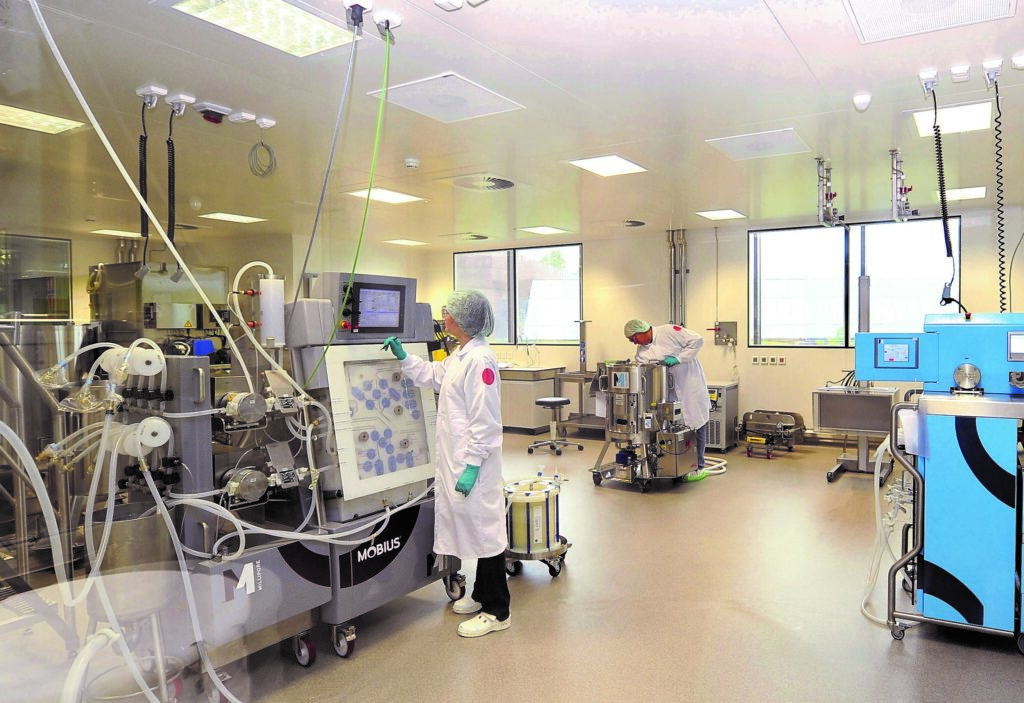
The tariff regime has already accelerated consolidation among contract development and manufacturing organizations (CDMOs), the specialized manufacturers that produce drug substance and finished doses on behalf of sponsors who do not operate their own plants. Samsung Biologics’ all-cash tender offer for Swiss peptide manufacturer PolyPeptide Group, announced in July at an implied equity value of roughly CHF 1.46 billion, is widely read in the industry as a bet that U.S. and European sponsors will pay a premium for manufacturing capacity that sits inside, or can credibly qualify for preferential treatment under, tariff-friendly jurisdictions. Expect more CDMO consolidation through the back half of 2026 as sponsors reassess where their supply chains need to sit.
What it means beyond U.S. borders
The tariff order is a U.S. import measure, but its effects are global by design. Pharmaceutical manufacturing is one of the most globally distributed supply chains in any industry, with API production concentrated heavily in a handful of countries and finished-dose manufacturing spread across dozens more. A U.S. company facing a 100 percent tariff on an API sourced from a single overseas supplier has a strong incentive to qualify a second, domestic or tariff-favored source, a process that in pharmaceutical manufacturing typically takes eighteen months to two years given the regulatory validation required.
That timeline mismatch, a five-day-old tariff deadline against a multi-year manufacturing qualification cycle, is the central operational headache facing supply chain and regulatory affairs teams across the industry this week.
It is also reviving a broader conversation the industry has been having since the first Trump-era tariff threats emerged: whether trial sponsors and manufacturers should be diversifying geography, not just for manufacturing, but for clinical development itself. Markets with stable, predictable regulatory and fiscal environments, including Australia, where the Clinical Trial Notification pathway offers a fast, low-friction route to first-in-human studies and a 43.5 percent research and development tax incentive materially reduces trial costs for eligible overseas sponsors, have drawn renewed attention from sponsors looking to de-risk their development timelines against exactly this kind of policy volatility elsewhere.
Whether Wednesday’s deadline triggers real near-term price increases at the pharmacy counter, or mostly reshuffles where manufacturing investment flows over the next several years, will become clearer once the first wave of MFN-pricing agreements and onshoring commitments are made public. For now, the industry is doing what it does best under regulatory uncertainty: negotiating hard, moving fast on the deals that offer certainty, and quietly hedging everywhere else.