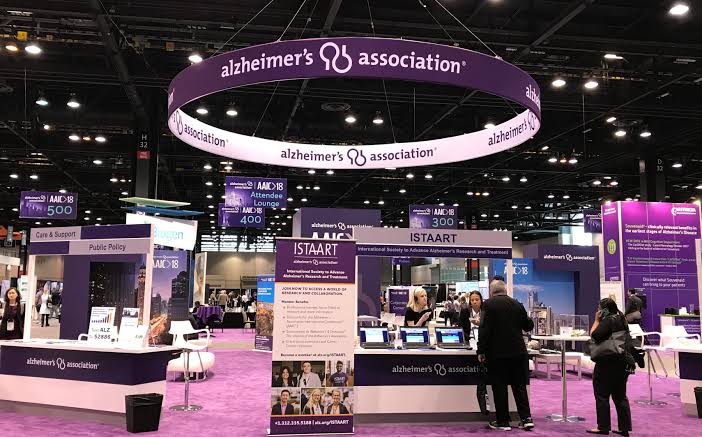
The Alzheimer’s Association International Conference opened its second full day in London on Monday with a data set that would have been unrecognizable at the same meeting a decade ago. Where AAIC once revolved almost entirely around amyloid plaques and the antibodies built to clear them, the 2026 edition is dominated by a different kind of announcement: blood tests that can diagnose the disease without a scan, and therapeutic mechanisms that leave amyloid alone entirely.
Roughly 192 clinical trials are now assessing 158 distinct Alzheimer’s drugs, according to the field’s most recent pipeline analysis, up from 182 trials and 138 drugs just a year earlier. Eight Phase 3 studies are set to reach their primary completion date before the end of 2026, alongside 29 Phase 2 trials. For an indication that spent the better part of twenty years defined by high-profile failures, that is a meaningfully more crowded and more mechanistically varied field than the one AAIC hosted in 2016, or even 2021.
The blood test race matures
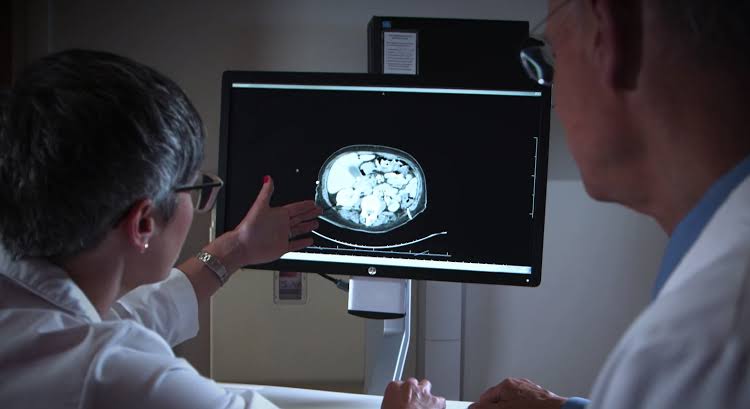
The clearest theme to emerge from the conference’s opening sessions is that Alzheimer’s diagnosis is quietly moving out of the PET scanner and into the standard blood draw. Eli Lilly is presenting 16 abstracts at this year’s meeting, including new data showing its P-tau217 blood biomarker assay performs comparably to amyloid PET imaging when identifying Alzheimer’s pathology in cognitively unimpaired individuals. That is a meaningful claim: PET imaging remains expensive, logistically demanding and largely confined to academic medical centers, while a blood test built on the same phosphorylated tau marker could be run through a standard lab network.
Roche is bringing a comparable case to London, with 18 oral and poster presentations covering its Alzheimer’s portfolio, anchored by new data on the Elecsys pTau217 blood test, which recently received CE mark certification in Europe as a rule-in and rule-out test for amyloid pathology. Alamar Biosciences, meanwhile, is taking a broader diagnostic approach: its NULISA multiplex protein profiling platform is featured in more than 140 separate poster and session presentations at this year’s conference, including a dedicated workshop titled “Beyond p-tau217: Expanding Alzheimer’s Insights with Multiplex Protein Profiling” built around its eMTBR-Tau and BD-pTau217 assays.
Taken together, the diagnostics push matters as much for trial design as it does for clinical practice. Cheaper, more scalable biomarker screening means sponsors can identify eligible, biologically confirmed patients for trials faster and at lower cost, a bottleneck that has slowed Alzheimer’s drug development for years. It also raises the practical question of where that expanded screening capacity gets built, since blood-based diagnostics are far easier to deploy across new and geographically diverse trial site networks than PET infrastructure ever was.
Diversifying beyond a single target
The second theme running through this year’s AAIC is mechanistic. Several sponsors used Monday’s sessions to present data on approaches that target neuroinflammation and glial cell activation rather than amyloid plaques or tau tangles directly, building on a growing body of research showing that reactive astrocytes, the brain’s most abundant support cells, become abnormally activated early in the disease process and appear to drive much of the downstream synaptic loss and cognitive decline associated with it.
That shift reflects a broader pattern across neurology and neuropsychiatric drug development more generally, where the single-target hypotheses that dominated the field for two decades have increasingly given way to a wider set of mechanistic bets, including neuroinflammatory pathways, glial biology and, in adjacent indications such as epilepsy, restoration of GABA-mediated inhibitory signaling. Investors who spent the 2010s watching one amyloid-clearing antibody after another fail to move the needle on cognition have grown noticeably more receptive to that diversification, even as they remain cautious about how quickly any of it translates into an approved therapy.
What it means for developers and trial sites
The practical consequence of a more mechanistically varied, more diagnostically accessible pipeline is a scramble for trial capacity. More biologically confirmed, blood-screened patients moving into more concurrently running studies means more competition for enrollment, site staff and specialized dementia research infrastructure that was never built to support this volume of concurrent Phase 2 and Phase 3 activity. That dynamic has already pushed a number of CNS-focused sponsors to look beyond the traditional US and Western European site base toward jurisdictions that can activate studies quickly, including Australia, where the Clinical Trial Notification pathway allows many early and mid-phase studies to begin within weeks rather than months, an increasingly relevant advantage as the Alzheimer’s and broader neurology pipeline continues to expand.
The road ahead
None of this week’s data resolves the central uncertainty that has defined Alzheimer’s drug development since the amyloid hypothesis first took hold: whether any of these newer mechanisms, neuroinflammatory or otherwise, will show the kind of durable cognitive benefit that has eluded the field for so long. But the diagnostic infrastructure and the mechanistic diversity on display in London this week give the next wave of trials a materially better foundation to test that question than the field has had in years. For an indication used to bad news, that alone is worth noting.